
Minerva Kitchen Worktops vs Tristone: Which Is Better for UK Homes?
When planning a kitchen renovation in the UK, choosing the right worktop material has a major impact on […]
· By Kitchen Worktops Direct · 6 min read
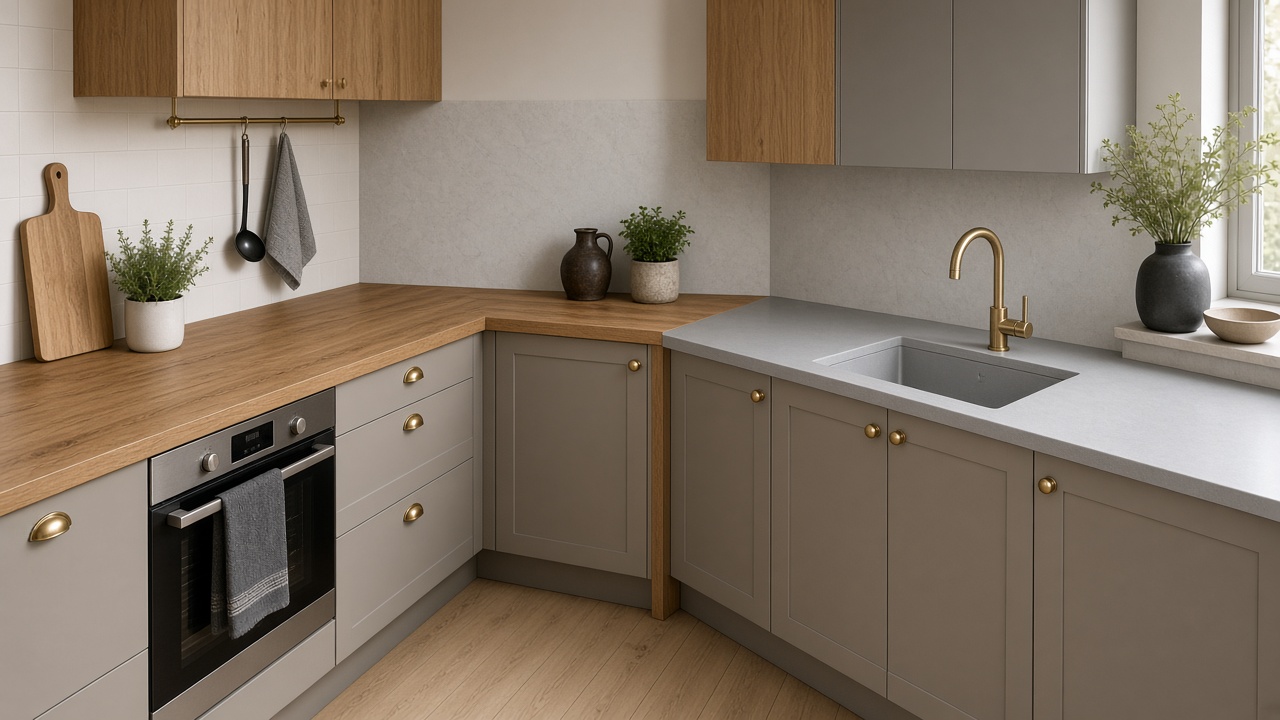
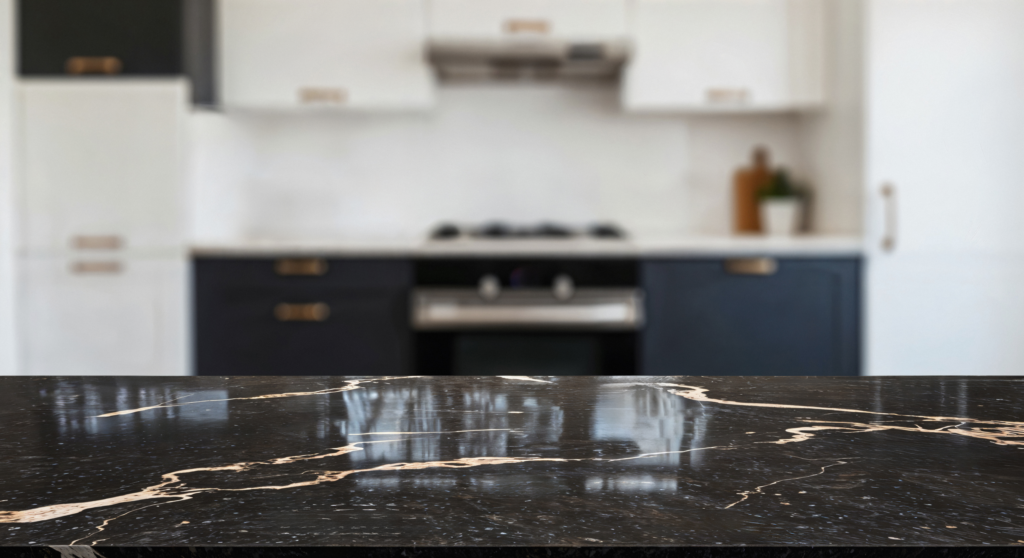
When planning a kitchen renovation in the UK, choosing the right worktop material has a major impact on both how the kitchen looks and how it performs over time.
For homeowners exploring solid surface options, Minerva and Tristone are two of the most commonly compared materials.
At first glance, they seem very similar. Both offer seamless joints, modern aesthetics, and a clean, non-porous surface that works well in busy households. However, once installed in real kitchens, clear differences appear in finish quality, design flexibility, and long-term visual performance.
This guide breaks down Minerva vs Tristone in practical terms based on real UK kitchen use.
Contents
1 What Are Minerva Kitchen Worktops?
2 What Is Tristone?
3 Minerva vs Tristone Quick Comparison
4 Price Difference in Real UK Kitchens
5 Appearance and Finish Quality
6 Durability in Everyday Use
7 Design Flexibility Comparison
8 Maintenance and Cleaning
9 Repairability and Long-Term Use
10 Cost vs Long-Term Value
11 Real-World Kitchen Scenarios
12 Common Mistakes Homeowners Make
13 Case Study Insight
14 Conclusion
15 Frequently Asked Questions
What Are Minerva Kitchen Worktops?
Minerva is one of the most widely used solid surface materials in the UK, designed to offer a modern seamless look at an accessible price point.
It is ideal for homeowners who want the appearance of premium worktops without the higher cost.
Key features of Minerva
- Acrylic solid surface material
- Seamless joint fabrication
- Non-porous and hygienic surface
- Compatible with integrated sinks
- Wide range of neutral and stone-style colours
Where Minerva works best
- Standard UK fitted kitchens
- L-shaped or U-shaped layouts
- Rental properties
- Budget-conscious renovations
- Family kitchens
Minerva is commonly used in practical kitchen renovations where functionality and value are the main priorities.
What Is Tristone?
Tristone is a premium acrylic solid surface material designed for higher-end kitchen installations.
It is often chosen for kitchens where design detail, visual impact, and long-term refinement are important.
Key features of Tristone
- Premium acrylic solid surface construction
- High-quality seamless fabrication
- Strong repair and resurfacing capability
- Wide colour and texture range
- Suitable for complex bespoke designs
Where Tristone works best
- Open-plan kitchens
- Feature kitchen islands
- Luxury renovations
- Designer kitchens
- Custom-built layouts
Tristone is often used in projects where the kitchen is a key visual feature of the home.
Minerva vs Tristone Quick Comparison
Here are some of the most popular kitchen worktop materials:
| Feature | Minerva | Tristone |
| Price level | Affordable–Mid | Mid–Premium |
| Finish quality | Very good | Excellent |
| Design flexibility | Good | Strong |
| Seamless joints | Yes | Yes |
| Integrated sinks | Yes | Yes |
| Repairability | Good | Very good |
| Appearance | Clean and simple | More refined and premium |
| Best for | Standard kitchens | Bespoke kitchens |
Price Difference in Real UK Kitchens
Cost is often the deciding factor when comparing these two materials.
Typical UK installed pricing:
- Minerva: £200 – £450 per linear metre
- Tristone: £350 – £700+ per linear metre
For a typical kitchen, this can create a difference of around £800–£1,500 or more depending on layout complexity.
When Minerva is chosen
- Fixed renovation budget
- Simple kitchen layout
- Value-focused projects
- Straightforward installations
When Tristone is chosen
- Bespoke kitchen design
- Large islands or feature surfaces
- Open-plan living spaces
- Long-term design investment
Appearance and Finish Quality
Both materials look modern, but differences become clearer in real lighting conditions and larger installations.
Minerva appearance
- Clean and functional finish
- Works well in standard kitchens
- Slightly understated aesthetic
- Best for practical spaces
Tristone appearance
- More refined surface detail
- Greater depth in colour tones
- Stronger premium visual impact
- Better suited to design-led kitchens
In homes with large windows or open-plan layouts, Tristone often delivers a more luxurious finish.
Durability in Everyday Use
Both materials are designed for daily kitchen use.
Minerva durability
- Handles everyday cooking well
- Resistant to stains and moisture
- Minor scratches can be repaired
- Suitable for busy households
Tristone durability
- Strong long-term surface stability
- Better retention of original finish
- Easier professional restoration
- Designed for higher-end usage
Both perform well, but Tristone tends to maintain a premium appearance for longer.
Design Flexibility Comparison
This is where Tristone clearly stands out.
Tristone design capabilities
- Curved islands
- Waterfall edges
- Integrated sinks
- Full splashback integration
- Bespoke layouts
Minerva design capabilities
- Straight worktop runs
- L-shaped kitchens
- U-shaped kitchens
- Standard island designs
If your kitchen design is complex or highly customised, Tristone offers significantly more flexibility.
Maintenance and Cleaning
Both materials are easy to maintain.
Shared benefits
- Non-porous surface
- No sealing required
- Easy wipe-clean maintenance
- Hygienic finish
- Resistant to bacteria build-up
Daily care involves simple cleaning with warm soapy water.
Repairability and Long-Term Use
Solid surface worktops are valued for their repair potential.
Minerva repairability
- Light scratches can be buffed
- Minor damage can be repaired
- Limited deep restoration capability
Tristone repairability
- Strong resurfacing capability
- Deeper scratches often removable
- Better long-term restoration options
Tristone generally offers more advanced long-term restoration.
Cost vs Long-Term Value
The decision is not just about upfront price but overall value.
Minerva value
- Lower upfront cost
- Strong everyday performance
- Ideal for budget renovations
- Practical long-term choice
Tristone value
- Higher initial investment
- Better design capability
- Stronger long-term appearance
- More premium finish over time
Minerva is a practical upgrade, while Tristone is a design-led investment.
Real-World Kitchen Scenarios
In real UK kitchen projects, usage patterns are very consistent.
Minerva works best in:
- Rental property kitchens
- Simple L-shaped layouts
- Budget refurbishments
- Utility or secondary kitchens
Tristone works best in:
- Open-plan kitchen designs
- Feature island installations
- High-end renovations
- Bespoke architectural layouts
Common Mistakes Homeowners Make
- Choosing based only on price
- Ignoring layout complexity
- Underestimating lighting impact on finish
- Over-specifying premium materials for simple kitchens
- Relying only on small sample pieces
Case Study Insight
A UK homeowner initially selected Minerva for a renovation based on budget priorities.
As the project developed, the design expanded to include:
- Large central island
- Floor-to-ceiling glazing
- Waterfall edge feature
- Open-plan living space
After reviewing full-size samples, Tristone was selected.
Final outcome:
- More cohesive premium finish
- Stronger visual impact in natural light
- Higher long-term satisfaction
This is a common shift in UK kitchen projects where design expectations evolve during planning.
Conclusion
Minerva and Tristone are both strong solid surface worktops, but they serve different roles in kitchen design.
Minerva is best suited for affordable, practical kitchen renovations where value and simplicity matter most.
Tristone is better suited for premium kitchens where design flexibility, refinement, and long-term visual impact are priorities.
The right choice depends less on price and more on how your kitchen is designed and how you want it to feel in everyday use.
Frequently Asked Questions
Is Minerva the same as Tristone?
No. Both are solid surface materials, but Tristone offers more premium design flexibility and finish quality.
Is Tristone worth the extra cost?
Yes, especially for open-plan kitchens, islands, or bespoke designs where appearance matters.
Which is better for budget kitchens?
Minerva is better suited for budget and mid-range kitchen renovations.
Do both materials look similar?
At first glance yes, but Tristone has more depth and refinement in larger or well-lit kitchens.
Which is easier to maintain?
Both are easy to clean and maintain, requiring only simple everyday care.
